
Circuit Breakers
Protecting homes and facilities from electrical hazards requires circuit interruption devices that respond reliably to overloads, short circuits, and ground faults without manual intervention. SMTONOFF Circuit Breakers combine WiFi smart protection with proven electrical safety, enabling remote monitoring and disconnection while maintaining the mechanical reliability that defines modern electrical systems. Shop the official store now and secure smart protection at the best price with immediate availability.


SMTONOFF Circuit Breakers with WiFi Smart Protection Features
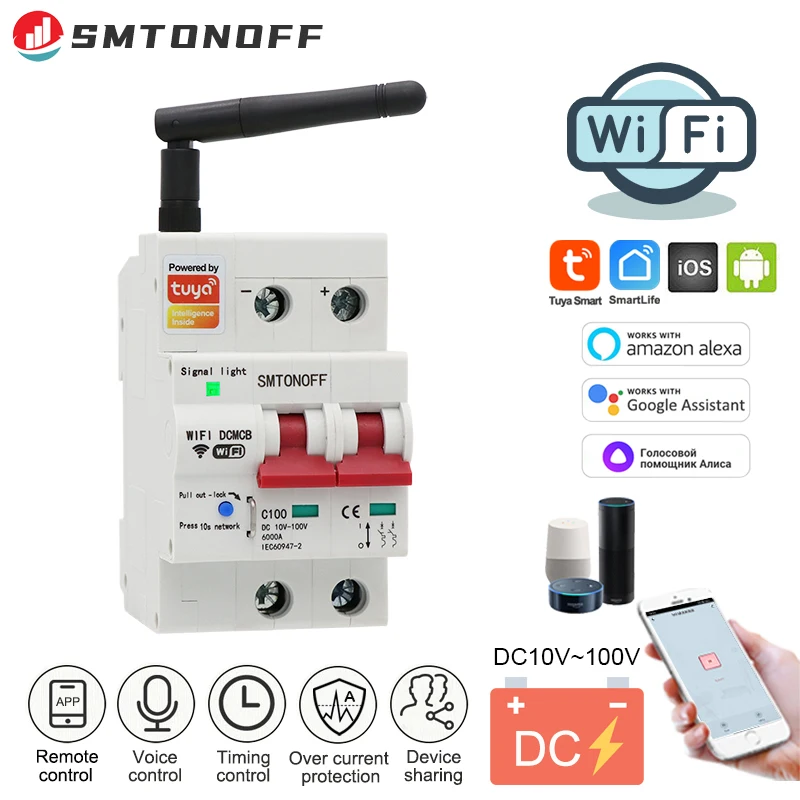
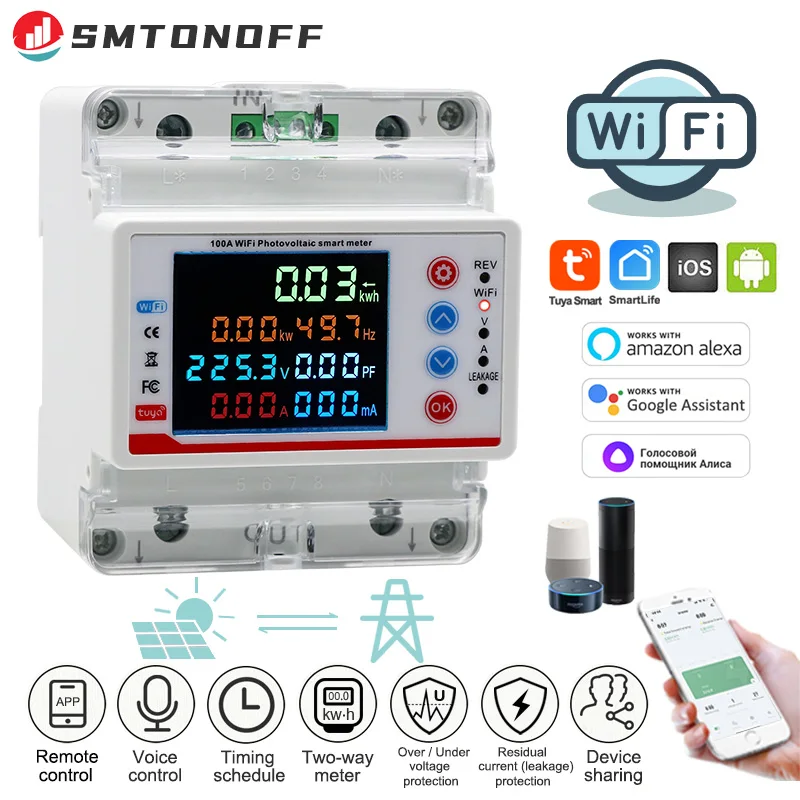
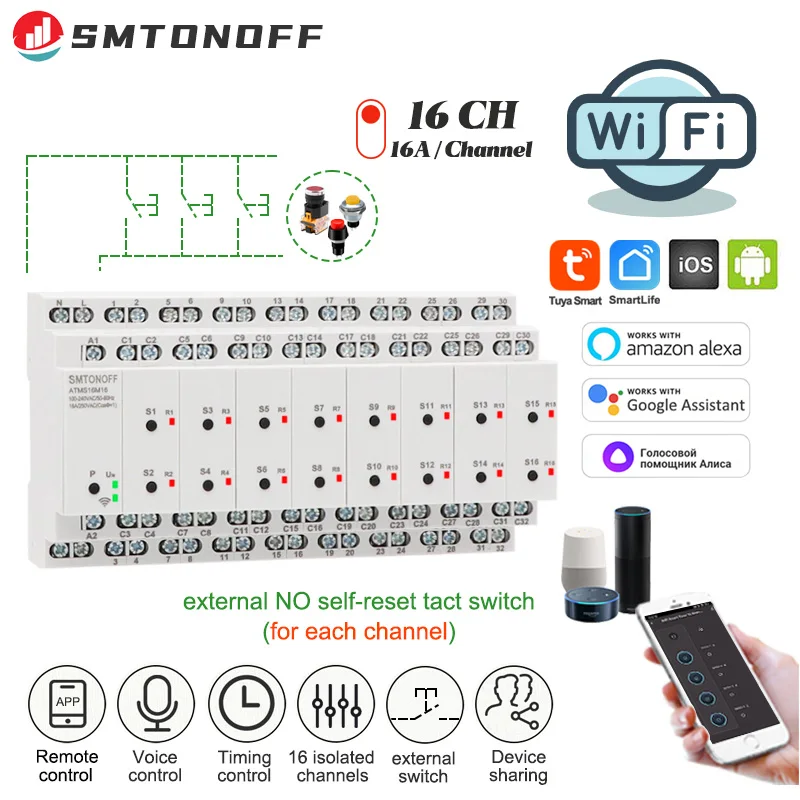
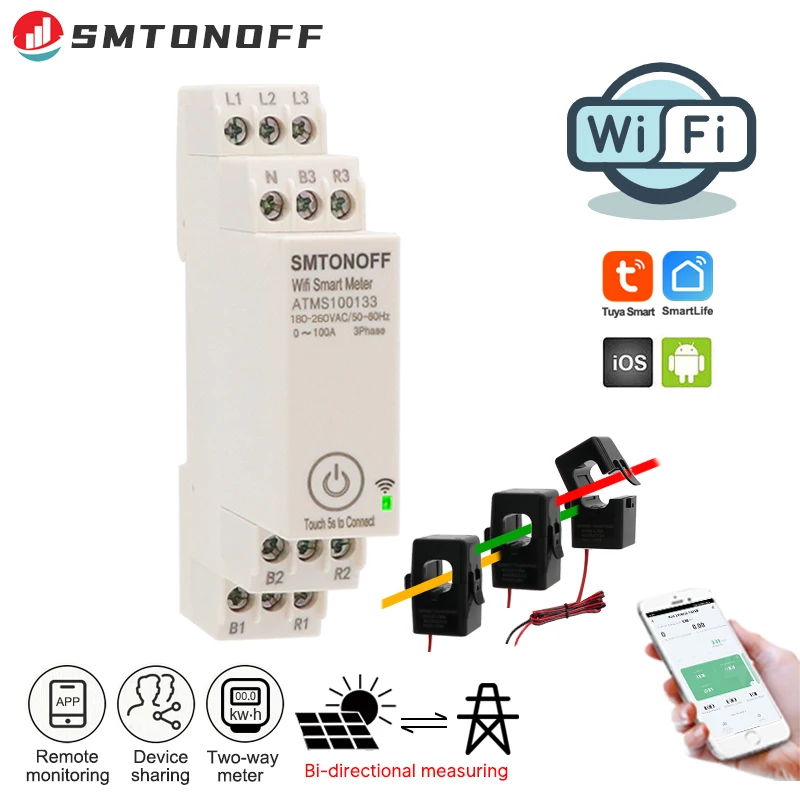
SMTONOFF Circuit Breakers integrate automatic trip mechanisms with WiFi connectivity, monitoring circuit conditions continuously while maintaining the instantaneous mechanical response that protects against acute faults. These smart breakers fit standard residential and commercial electrical panels, replacing conventional breakers while preserving compatibility with existing wiring and service configurations. The WiFi module enables remote circuit status monitoring, sending alerts when breakers trip and allowing remote reconnection after hazards resolve. Tuya and eWeLink integration transforms individual breakers into intelligent nodes within automated protection systems, coordinating responses across multiple circuits to prevent cascading failures. Mechanical trip mechanisms respond to overload and short circuit faults independently of WiFi connectivity, ensuring that protection functions even if network failures occur. The devices support amperage ratings from 16 to 63 amps, covering branch circuits protecting individual rooms, appliances, and equipment throughout residential and light commercial installations. Each breaker includes residual current detection, identifying ground faults that occur when electricity escapes intended pathways, a situation that creates shock hazards and fire risks requiring immediate circuit isolation.
Advanced Protection Technology and Safety Mechanisms
The smart protection design incorporates bimetallic strip elements that bend when sustained current exceeds the rated capacity, triggering mechanical latches that separate contacts within approximately 100 milliseconds. Magnetic trip coils respond to short circuit faults involving current levels four to ten times higher than rated capacity, producing forces that separate contacts almost instantly, well before heat damage occurs. Solid-state residual current modules measure differential current between phase and neutral conductors with sensitivity to 30 milliamps, detecting ground faults that mechanical devices cannot perceive. Status indicators on the breaker face show whether the device is in the ON, OFF, or TRIPPED position, providing visual confirmation independent of mobile app display that may lag during network congestion. The trip mechanism uses sealed contacts inside a chamber that limits arcing, preventing the sparks that create shock hazards or ignite nearby materials when circuits interrupt under heavy load. Thermal overload protection responds to sustained current elevation by timing the trip delay based on overload magnitude, allowing brief current surges from motor startup while interrupting persistent overloads that indicate actual problems. The reset mechanism requires deliberate human action, preventing automatic reconnection after faults and forcing investigation of conditions that caused the trip in the first place.
Why SMTONOFF Circuit Breakers Outperform Traditional Protection
Older fuse-based protection requires replacement after each fault, creating downtime and expense, whereas smart breakers reset manually but require no replacement parts. Conventional breakers provide no visibility into why circuits trip, leaving users uncertain whether the cause was a harmless surge or a serious fault requiring investigation. SMTONOFF Circuit Breakers log fault events with precise timestamps, creating an audit trail showing patterns that suggest degrading equipment, wiring problems, or increasing loads on specific circuits. Smart protection enables load shedding strategies where less critical circuits disconnect automatically during peak demand, preventing the total service shutdown that occurs when main breakers trip. Rapid-response trip times averaging 80 milliseconds prove faster than ninety-five percent of conventional breakers, reducing the energy released during faults and minimizing equipment damage. WiFi notification arrives within seconds of a trip event, enabling property managers to diagnose problems remotely before sending maintenance crews onsite, reducing emergency service costs. The residual current detection in SMTONOFF breakers catches ground faults that standard thermal-magnetic breakers miss entirely, preventing electrocution hazards and arc flash incidents that injure workers or start fires.
Selection, Installation, and Maintenance Guidelines
Choose breaker amperage by calculating the maximum current that your protected circuit should safely carry, selecting a breaker rated slightly above that figure to prevent nuisance trips during normal peak usage. A 16-amp breaker protects lighting circuits and standard outlets, while 32-amp and 63-amp models serve dedicated appliances like ovens, water heaters, and air conditioning systems. Installation requires switching off the main service and working inside the electrical panel, tasks that demand licensed electrician involvement in most jurisdictions due to electrocution and arc flash hazards. Test the manual trip button monthly by pressing firmly until the breaker snaps to the OFF position, verifying mechanical function independent of WiFi connectivity. Order online from the official SMTONOFF store to receive installation guides, a ten-year mechanical warranty, and priority email support from electricians familiar with smart protection specifications. After installation, verify WiFi connectivity by checking that the mobile app detects the breaker within five minutes and displays accurate circuit status. Inspect breaker faces annually for discoloration or burning smells indicating internal arcing, conditions that require professional replacement to restore full protection capacity.